By 8 a.m., junior Isabel Daque, had already downed two cups of coffee. From skating practices to school and homework sessions, caffeine isn’t just a quick boost—it’s an essential to life.
Across Baruch College Campus High School, people like Daque are common. Caffeine is often used as a quick pick-me-up by students as it helps them concentrate in class. However, some choose different approaches, such as relying on food, rest or choose to avoid it entirely. This contrast shows the multiple strategies to survive student life—one fueled by caffeine and the other by moderation and balance.
Caffeine intake among teens isn’t just an occurrence at Baruch. Caffeine-related health concerns have been occurring outside of the school.
Data from Epic Research in 2024 has reported that emergency department visits related to caffeine doubled for middle and high school students between 2017 and 2023. For teens aged from 13 to 15, the rates have increased from 7.4 to 13.6 per 100,000 visits. Even if these visits are uncommon, the increase shows that kids, including those attending schools like Baruch, are becoming increasingly reliant on caffeine.
For some students, caffeine is part of their daily routine. Daque, who skates on different days of the week—including competitions—estimates she drinks about 10 cups of coffee a week. “I started in ninth grade when I realized school got serious and had to balance school with skating,” said Daque.
By 10th grade, she shifted to “heavier caffeinated drinks because the balance between skating and catching up with school was harder than I thought.”
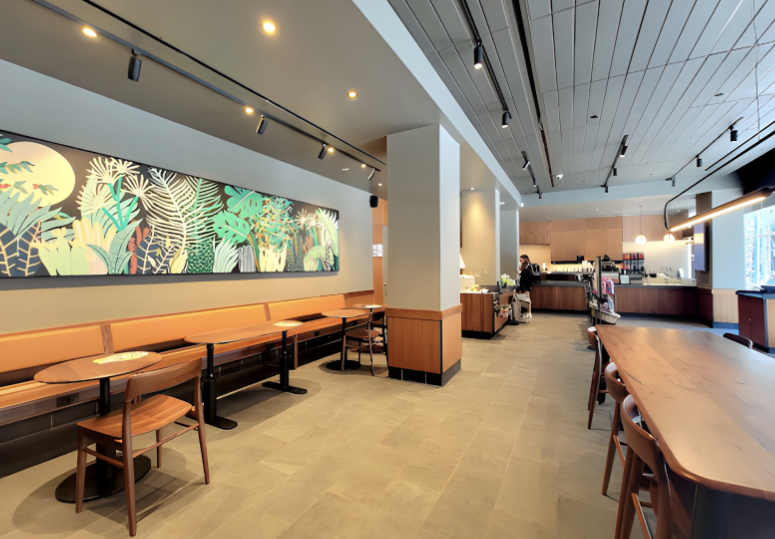
Most of her source of caffeine comes from either Starbucks or Dunkin. “It’s very efficient as I can just order from my phone and pick it up on my way to school.”
Based on a survey from Contemporary Pediatrics, Daque’s words check out. Most common caffeine sources for teens include soda at 73%, tea at 32%, coffee at 31% and energy drinks at 22%. These trends can be seen in real time at Baruch. Iced coffees and matchas in hand, as well as the sound of cracking open a Celsius or Red Bull–even in our hallways, we see this data corroborated.
But not everyone gets the hype of caffeine. Unlike Daque, junior Sandra Huang, tries her best to avoid caffeine, not because of the lack of stress but because it doesn’t belong in her daily routine. “I don’t really intake caffeine, but I eat a lot of food to get me through the day, such as fruits,” said Huang.
Although she’s not much of a coffee drinker, she understands why her peers are dependent on it. “Students rely on caffeine since they have to wake up very early,” Huang said. “It helps them learn the best and focus but can also ‘ruin their health later on.’”
According to the data presented by Healthline, studies have found that caffeine may help with processing speeds and memory, suggesting that moderate intake may help with thinking.
For seniors like Alexandra Balgar, caffeine is more of a survival tactic rather than a treat. Balgar’s day often starts at 6 or 6:30 a.m. with a cup of hot tea. “My parents hate it when I drink iced drinks in the morning.” said Balgar.
But during high stress weeks, her caffeine intake skyrockets. Recently she had a unit test in her statistics class. “I did not sleep…I slept a max of 2 hours and my source of hydration was basically just Alanis and Red Bulls.”
Balgar had felt the consequences of caffeine as described in Healthline’s data on the impact of caffeine on the body. The article stated that too much caffeine can lead to headaches, increased heart rate, as well as disrupted sleep schedules, which are all the things that Balgar experienced.
“When I consumed a lot, I had heart palpitations, an increased heart rate and a messed up sleep schedule because I was used to a lot of sleep.” She even remembers a friend who became so reliant on caffeine that without it, she felt like a “potato.” Her friend was even having withdrawals from the lack of caffeine. “My friend couldn’t hear for some reason and couldn’t talk properly,” Balgar said.
Tea, which is Balgar’s favorite drink, has even contributed to her caffeine reliance. “Unfortunately, I do see myself as someone who relies on caffeine,”she said. “Without tea, I feel very useless and sad.”
If you ask any Baruch student why they drink caffeine, the answers will 100% be too much homework, early mornings and or academic pressure.
“Everything has a deadline. Students are stressed and push things back because of responsibilities,” said Balgar. She recalled, for instance, a time where she had no choice but to sacrifice her homework time to babysit, leaving caffeine as her only option to stay awake.
At Baruch, caffeine is more than a drink—it’s part of being a student.
Regardless of whether teens are drinking iced coffees; downing a can of Red Bull, one thing is clear: caffeine is becoming a bigger part of student life and for some it might be too big.