
Imagine coming home from school, only to spend the whole evening buried in homework. For many students, this daily routine causes stress, tiredness and worry. Why do we get homework in the first place? What are some ways to help students reduce stress and how much homework can really hurt their mental health?
Research from University of San Diego, NSHSS and Stanford University shows that more than two hours of homework a night is too much. In a group of 4,317 university students, over half of them said that homework stressed them out. In the study, most students spent about three hours on their homework and afterwards felt tired out, lost sleep or had headaches.
To see if this pattern persisted in BCCHS, I asked a couple of students about how they handle homework and balance it with personal time.
“I first do the easy work that keeps me motivated and then I move on to the more difficult work that may take more time to do.” said, Junior, Umay Yazal.
Sophomore, Arya Trivedia said, “I find the homework harder than classwork but can be beneficial to us and helpful at the same time.”
“I don’t always enjoy or find it helpful but it depends on the subject.” said Sophomore, Elizabeth Gonzalez
It’s safe to say that many Baruch high school students have their own approaches to their workload.
So, why do we get homework?
Schools often stress that homework has benefits. It helps reinforce learning and improve memory. Though homework can be time-consuming, the main purpose of homework is to help students practice on their own.
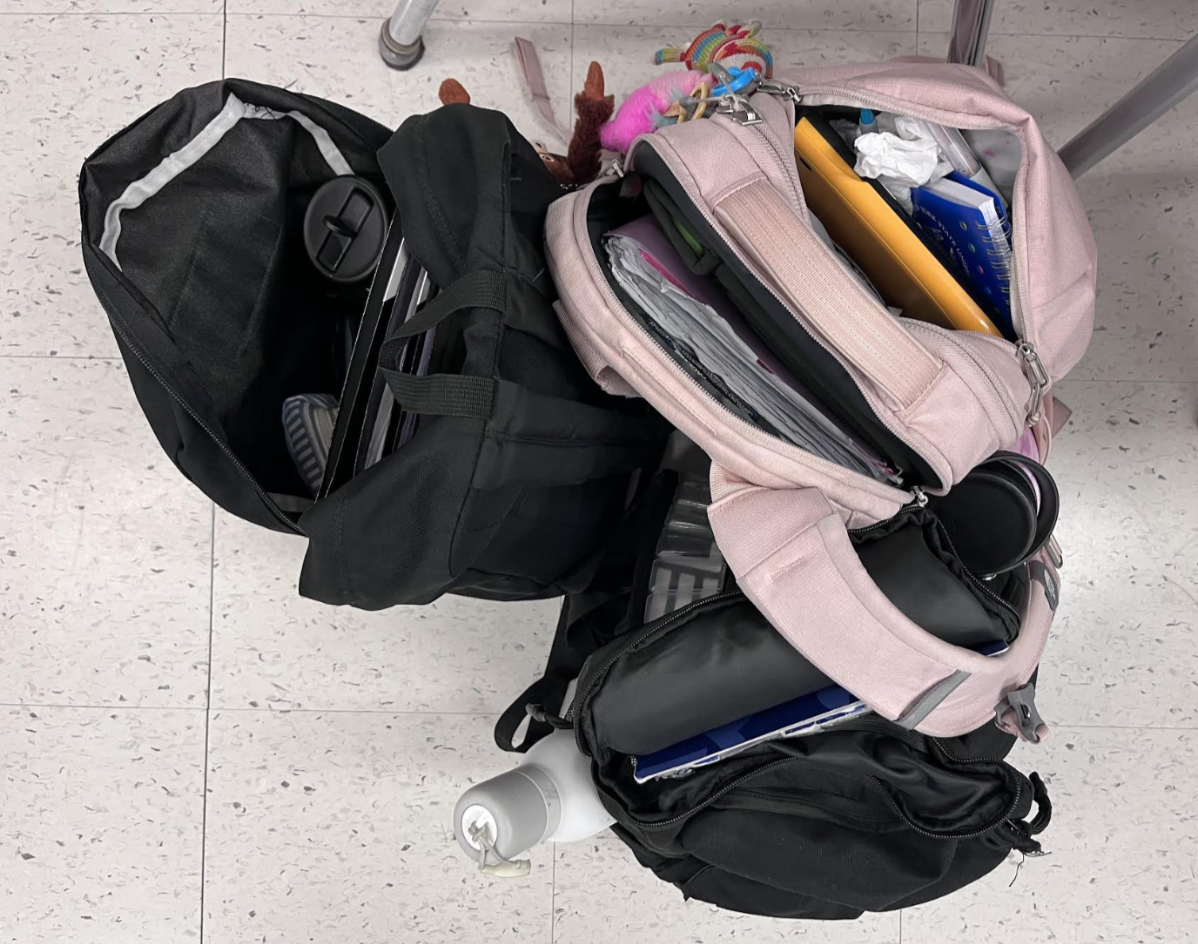
However, many students feel differently about this situation. They say that the amount of homework is stressful and tiring. Rather, too much homework lessens the amount of time students get to spend with their friends and families. As a result, homework puts pressure on students’ mental health.
Many schools are trying to reduce the workload of each class per day to reduce students’ stress. Students can also talk to their teachers to find ways to complete assignments at a better pace. These changes are aimed to help students maintain their mental health and to learn better.
Mental Health Resources for Students:
There are an abundance of resources for students to use, such as:
In-School: Contact the guidance department!
- Nicole Eisner ( Room 410B) – [email protected]
- Julie Fernandez ( Room 403) – [email protected]
- Laura Kaplan (Room 502) – [email protected]
- Stephanie Smith (Room 403) – [email protected]
- Any teachers in Baruch! See the Staff Directory
NYC resources:
- Contact mental health hotlines: NYC 988 by calling, texting or chatting for 24/7 crisis help.
- In need of help? See the NYC DOE Mental Health website.
Your workload from school does affect your mental health. Mental health is a real issue to be conscious of.