INTRODUCING BAD BUNNY & THE SUPERBOWL
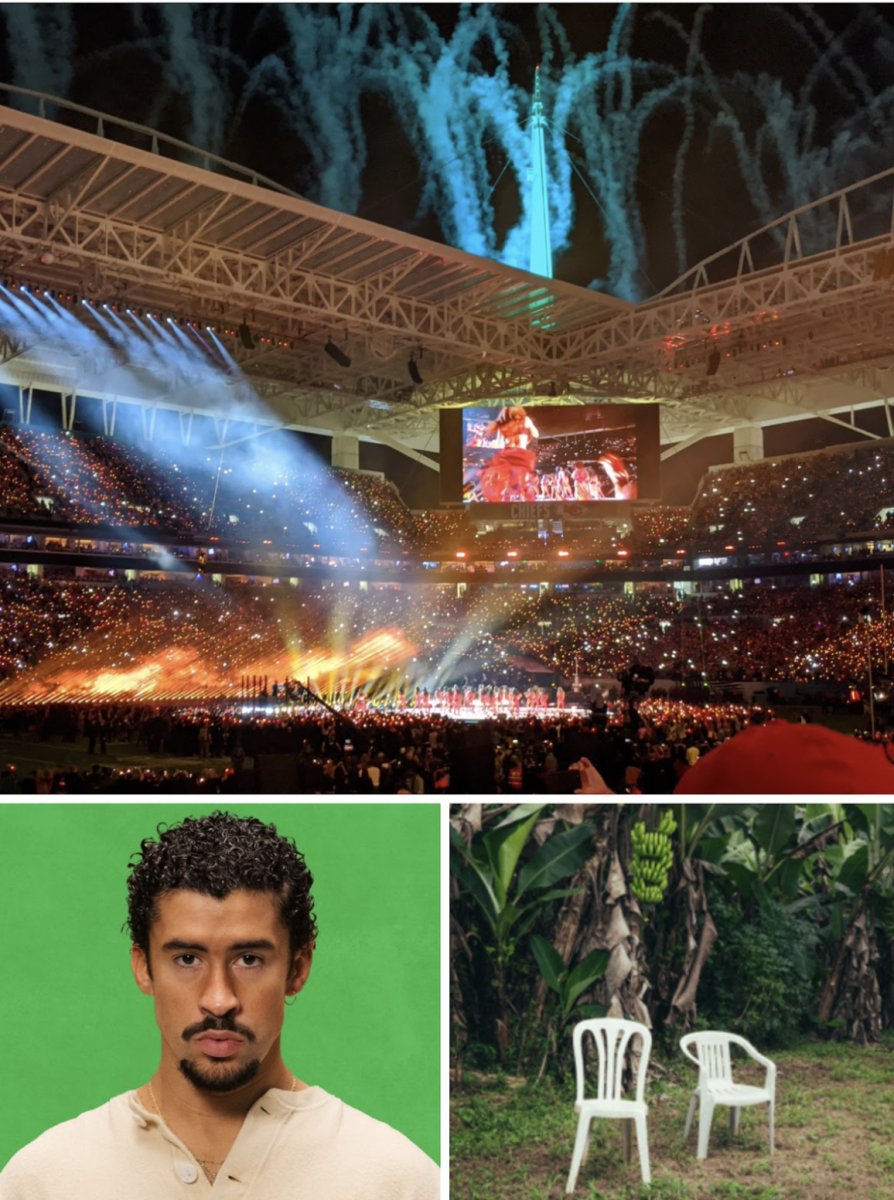
Benito Antonio Martínez Ocasio, or better known as Bad Bunny, is a Puerto Rican global star. He has won three Grammys and 38 Latin Grammy Awards and with his signature Latin trap and reggaetón, he has become a symbol for many Puerto Ricans.
He often uses his music to discuss issues such as gentrification and corruption, giving many Latinos a voice. After Un Verano Sin Ti became the first Spanish-language album to be nominated for Album of the Year, three years later his newest album, Debí Tirar Más Fotos, earned the same recognition.
He is currently the No. 1 Latin artist in the world, and while people appreciate how he uses his platform to showcase social issues, they can’t help but love his authentic Latin beats even more.
The Super Bowl halftime show is one of the world’s largest stages in America, where everyone gathers to watch football or tune in to the halftime performance to see the next chosen artist—and these artists are up to face the public’s expectations and, at times, heavy criticism. Bad Bunny being this next pick, has already led new conversation and debate.
SOCIAL MEDIA & STUDENT’S REACTIONS
If you are a fellow Tik Tok or Instagram user, you may have stumbled across many opinions towards his upcoming performance. Social media is split into two divided sides.
On one — largely conservative leaning users — argue he’s a bad fit for such a huge American event, saying they don’t speak the language, don’t agree with his political views, and the NFL should’ve picked someone more traditional or family-friendly.
On the other side, supporters are celebrating, saying it’s a huge moment for Latino communities throughout the U.S. They say music like his goes beyond language and carries important messages in his music. Many celebrities and younger audiences defend him, appreciating his message and pushing back at critics by saying it is culturally biased.
After asking several of our own Baruch students, we ended up receiving a lot of really positive feedback.
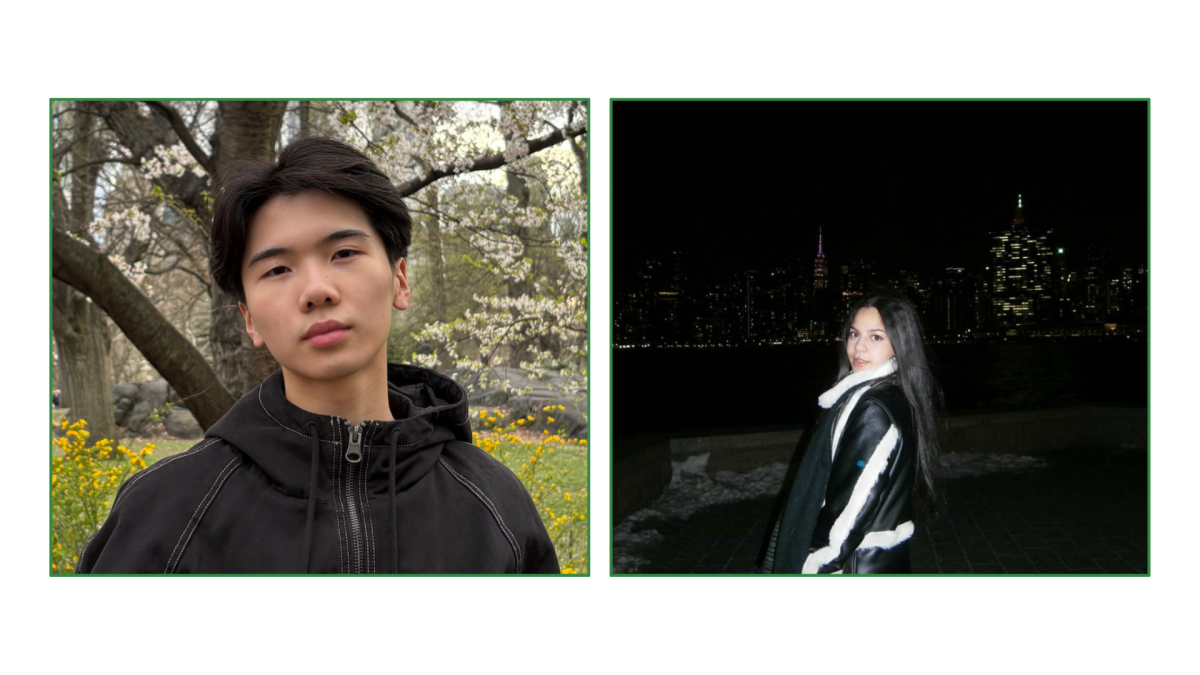
Elizabeth Marquez, a junior is not a fan of Bad Bunny’s music but is supportive of him performing during the Halftime.
“I really don’t think there should be an issue. Puerto Rico is a part of the United States, since it’s a territory. I personally don’t really like his music, maybe only one or two songs, but I don’t mind,” she said.
Juliet Pistoia, also a junior is a fan of Bad Bunny and is looking forward to the show.
“I love the super bowl and I love Bad Bunny, so it’s going to be amazing. Haters will hate at the end of the day.”
Tulsi Patel, a sophomore shared a similar perspective to Pistoia. “I am super excited, I love Bad Bunny and he deserves it. He’s an amazing singer,” she said.
Jazlynn De La Cruz, a sophomore, is excited for the performance and recognizes the underlying reason for opposition.
“I am actually really excited, I grew up listening to him and he’s in my playlist. I’ve seen how all these people don’t want a Spanish speaker to be there because they don’t speak Spanish and it should be a white artist,” she said.
Clearly, many members of the Baruch community admire Bad Bunny’s music and believe he deserves a place on stage.
WHY THIS IS SIGNIFICANT
Whether or not you’re a fan of his music, there is no arguing that this is a big turning point in history. This is more than just a performance but a milestone for representation, culture, and the voice for Latinx communities.
Seeing a Puerto Rican artist celebrated on a big stage shows the impact that Spanish-language music can have globally, highlighting important messages, and acknowledging culture, diversity, and creation. It’s a turning point that will be remembered for years to come, hopefully inspiring a new generation of artists and fans alike.