Valentine’s Day just passed and like every year, we see red and pink items filling every Target. People either talk about how they’re planning something with their partner or how they’re spending it alone. February 14th seems like a simple day, but the history is much more complex than it looks.
How Was This Holiday Named?
Most people assume Valentine’s Day is named after Saint Valentine, a Roman priest who was martyred for defying an emperor. He ministered to persecuted Christians and performed secret marriages for soldiers, which were banned at the time. Some say he wrote a letter signed “from your Valentine” before he died. The issue is that there were several saints named Valentine and historians aren’t completely sure which one the holiday refers to.
So in reality, we can’t pinpoint exactly where this name originated.
Symbolism on Valentine’s?
There’s also a connection to an older Roman festival called Lupercalia that was held annually on February 15th and meant to promote health and purity. This fertility festival was tied to agriculture and the coming of spring. Some people argue that the Church placed St. Valentine’s feast day in mid-February to replace that celebration. What’s surprising is that Valentine’s Day wasn’t always about romance. Romantic traditions didn’t become popular until the Middle Ages. In England and France, people believed that birds began choosing their mates around February 14th, which added to the day’s symbolism.
Profit & Poems?
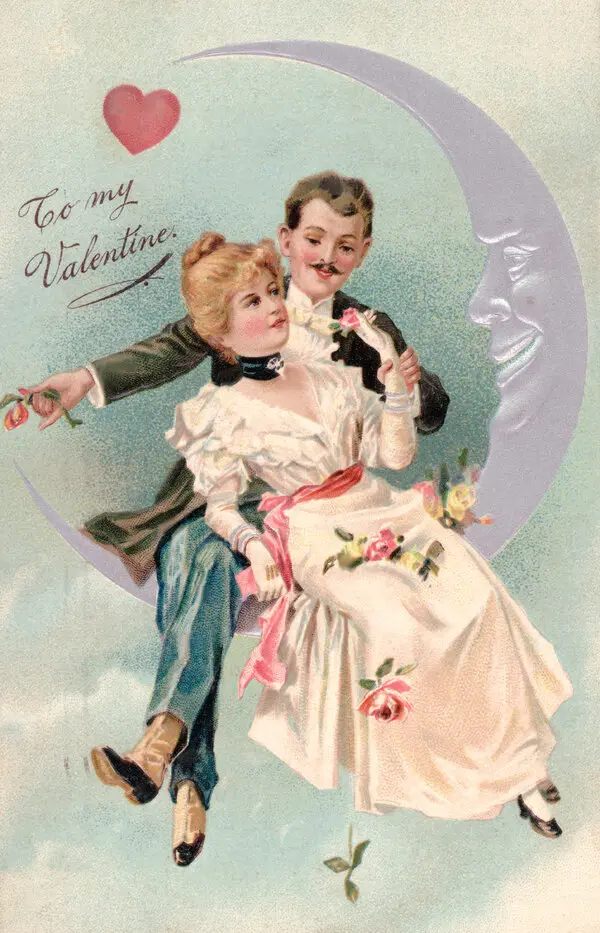
Poet Geoffrey Chaucer was one of the first to connect Valentine’s Day with romantic love in his writing. People started exchanging handwritten notes and eventually the tradition grew. By the 1800s, printed Valentine’s cards became the norm and the holiday started looking more like what we see now.
There have been several myths that companies invented Valentine’s Day for profit and while that isn’t true, they definitely helped shape the modern version of the holiday. Now it’s one of the biggest card-sending holidays of the year.
The Change Over Time
What stands out most is how much the meaning has changed over time. It started as a religious feast day that overlapped with older Roman traditions. It became linked to poetry and now it’s a mix of romance, friendship, marketing and a bit of social pressure.
Depending on who you ask, it’s either meaningful or overrated.
Looking at the history makes it feel less like any another commercial holiday and more like something that evolved through time. It has shifted with religion, cultures, books, and now more than ever—social media.