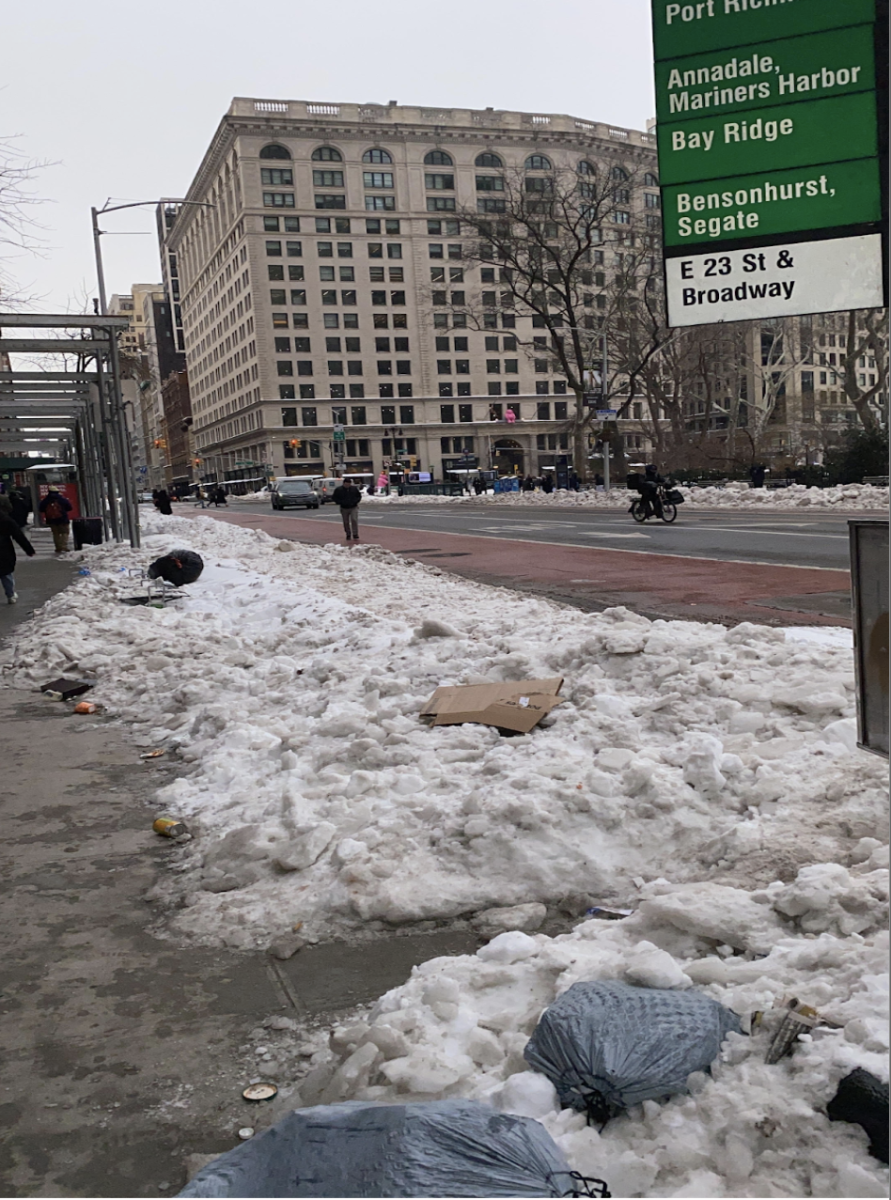
Is winter making your commute feel impossible in New York City? Snow piles at bus stops, sidewalks turn into sheets of ice and trains often run late. For many people, going to school or work is not just inconvenient, it can be exhausting. Winter weather affects almost everyone who travels in the city, creating delays, hazards and daily frustrations.
Heavy snow can block bus lanes. As a result, commuters sometimes have to climb over icy piles just to catch their bus. Freezing temperatures slow down cleanup crews, leaving dangerous spots on sidewalks and streets for days. Subways usually keep running, but delays are common. Above-ground lines are especially affected because ice and strong winds can slow trains down. In some cases, service may even be reduced or paused until the weather improves. Roads and bridges become slippery as well, which slows traffic and increases the chance of accidents.
Some people struggle more than others. Seniors, people with disabilities, and parents with strollers face extra challenges. Snow-covered sidewalks and blocked ramps can make even a short walk feel unsafe. In addition, many commuters said that winter makes their trips more stressful and exhausting compared to normal days.
Mrs. Ross, the AP Language and Composition teacher at Baruch College Campus High School, said that during heavy snow she leaves home much earlier than usual. She explained that even a short delay can turn into a long wait in freezing weather.
Students in the journalism class at Baruch College Campus High School described winter commuting as exhausting. Yuri Tavares, a senior, said it is “overstimulating, with the cold, the crowds and the snow making traveling unbearable.”
Tips for Beating the Winter Commute
However, there are ways to make winter commuting more manageable. Many experts and local commuters suggest leaving 20 to 30 minutes earlier to allow for delays. Isla Finley also said, “Even though I don’t usually do that, probably just leave earlier than you think it would take to get to your destination, because then you’re most likely to get there on time. I usually try to leave about 20 minutes earlier.”
In addition, checking transit apps and weather updates before heading out can help commuters avoid surprises. Wearing warm coats, gloves and boots with good traction can make walking much safer. Public transportation is also a smarter choice than driving because major transit routes are usually cleared first and slippery roads make driving riskier.
The Messy Side of Winter
Ankit Ojha, a junior, highlighted the challenges of dirty snow and ice on the streets. Ojha said, “Walking in the snow, or walking through dirty piles of snow, it’s just unpleasant. You step in slush and dirty water, and your shoes get soaked. It’s a mess.” Winter commuting is not just about cold and delays, but also navigating messy and icy streets.
Winter in New York City can turn even a short trip into a stressful experience. However, commuters are not alone. Teachers, students, and workers across the city face the same icy sidewalks and delayed trains. With a little extra preparation, patience and time, commuting in winter becomes more manageable. While the snow might feel endless, just remember that warmer days are always ahead.