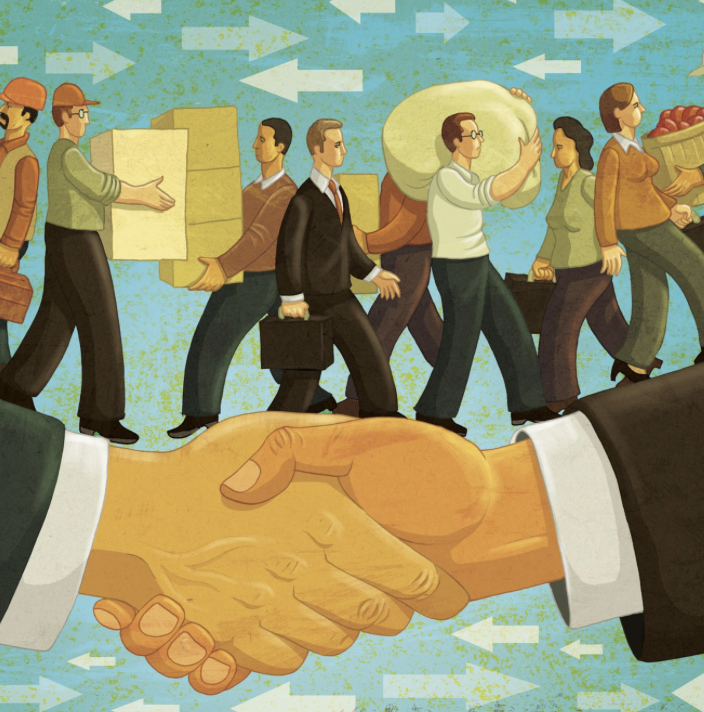
Do you ever think about where the stuff you use everyday comes from? How it is made? What it is made of? Most likely not, we often take the products we use everyday for granted, not thinking about all the things that had to happen for us to have the products.
Just like the products that we use everyday, we often take many other things in life for granted. Roads, schools and food are all things that are affected by politics and most of us don’t even realize it. Politics determine how our food is produced, processed and sold. For example, policies related to agriculture can affect the cost of food and policies on health standards and labels that inform us on what we are eating. Without realizing it, every time we go out to eat or buy groceries we are interacting with political decisions.
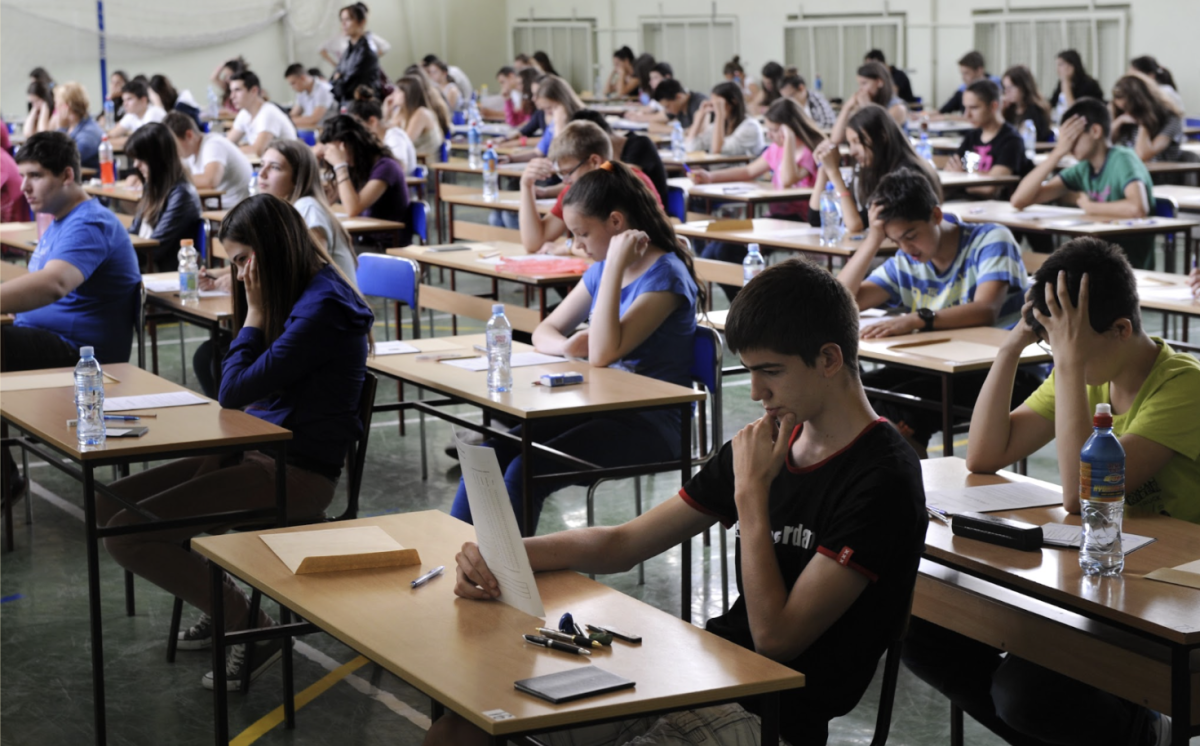
Similarly, education – on all levels – is also heavily affected by political decisions. Public schools are funded and managed by government bodies like school boards, departments of education, and other federal agencies. Political decisions also determine what and how students are taught, state testing and teacher qualifications.
But the US isn’t just affected by domestic policies; foreign policy and international politics have a massive impact on the US, affecting the products that we buy and the prices that we pay for them.
Think about the last time you bought something at a store. That product was most likely not made in the US, rather in some place like China, Vietnam, India or Mexico. Whether or not the products are affordable relies heavily on international trade policy and tariffs. When politicians decide to raise or lower the taxes on foreign goods, the prices in stores change with them. Political decisions made in Washington D.C. can mean that the electronics, clothing, or groceries you buy every week suddenly cost more.
Oil is another thing that we use everyday without thinking about where it comes from. A large part of the world’s oil comes from the Middle East, an area with a complex political history. When there are conflicts in countries like Iran, Iraq or Saudi Arabia, oil production is disrupted almost instantly. Conflicts in this region directly affect the price of gas worldwide.
However, oil from these countries isn’t just used to make gas, things like lip balm, plastic bags, toothbrushes, shampoo, clothing, plastic cups and deodorant are all petroleum based products. If oil becomes too expensive it’s not just gas that gets affected, everyday products also see a raise in price.
Sometimes the political connections to our everyday products are even less obvious. For example, titanium is used in everything from smart devices and jewelry to planes and medical equipment. Much of the world’s supply of titanium countries like Sierra Leone, a small West African nation with a rocky political history. When conflicts start in regions like these, the mining and export of titanium and other minerals becomes disrupted, quietly raising the prices of things we rely on daily.
The point is that politics aren’t just in the government or courtroom. The decisions made by politicians – locally, nationally, and internationally – shape nearly every aspect of our daily lives, whether we like it or not. Staying informed isn’t just for news junkies or policy experts. It affects every single one of us, every single day.