

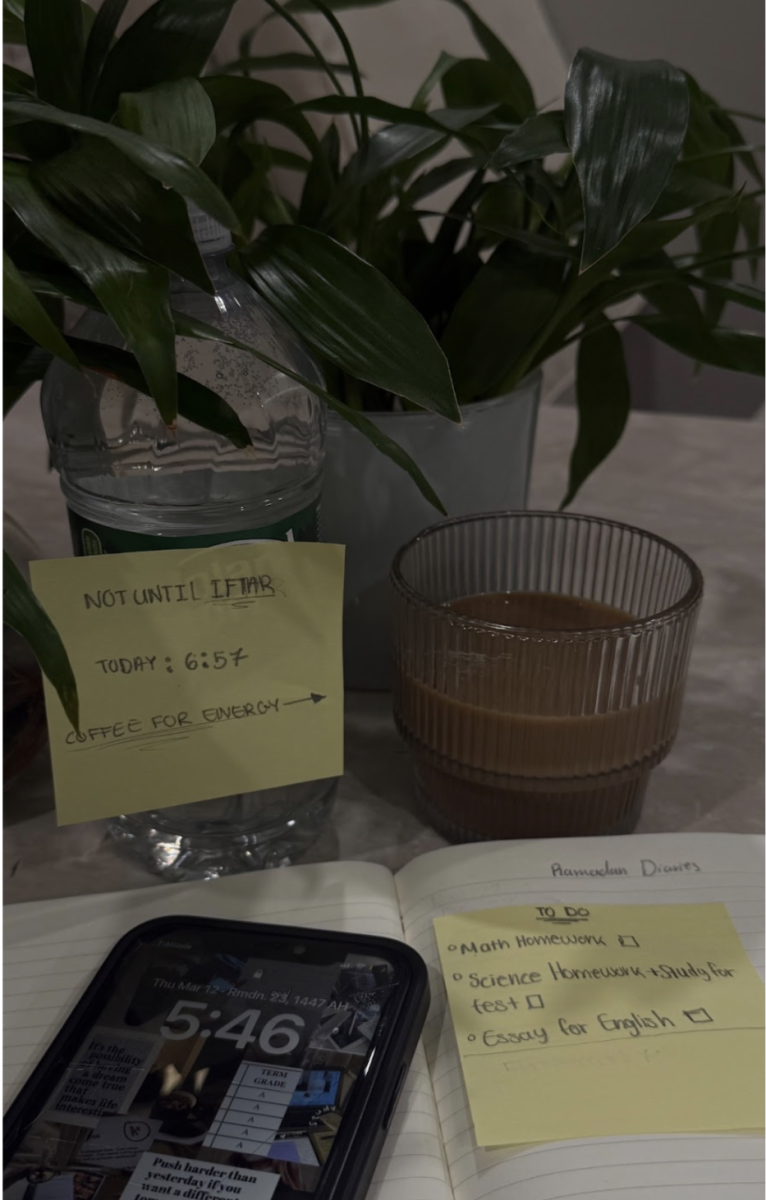
The piercing sound of the alarm you set for suhoor–the pre dawn meal–wakes you up at four AM. You take a moment and question life, when you realize, you’re going to have to attend school on four hours of sleep, sore legs from standing in prayer for an hour and fast while stressing about the paper that’s due in a week.
Ramadan, is a holy month in the Islamic calendar, where Muslims fast 30 days from dawn to sunset. That means no food and water and yes, not even just one sip. It’s a month focused on self-reflection, community, prayer and spiritual growth.
Imagine having to wake up in the middle of the night–not even fully awake–having to eat and later be able to function in school without any snacks, coffee or even energy drinks. For many Muslim students observing Ramadan this is just part of the routine.
Though the month is meaningful, it can also get exhausting when you have to manage time to complete assignments and study for tests, all while balancing religious obligations.
A Typical Day
The day starts before sunrise, with a pre-dawn meal: suhoor–to provide energy for the next 12 or more hours.
Because suhoor begins early, students have to wake up about an hour before they would normally wake up. After eating and performing the early morning prayer, while some students manage to squeeze in more sleep before school, others start their day feeling tired.
Senior Hiba Lahfid, when asked about how suhoor affects how rested she feels the next day.
Lahfid said, “Waking up for suhoor is definitely something that’s not easy because you’re in deep sleep and you’re forcing yourself to eat as soon as you get up.”
It is not really easy to fall back asleep right after having a meal, no matter how tired you are. With suhoor very early in the morning, close to the time needed to wake up for school, it makes it very hard for students to catch up on sleep and when they do, it’s very easy to miss the alarm and be late to school.
Senior Adrita Azmin, shared her own experience on how suhoor affects her mornings on a school day, and Azmin said, “I have to wake up very early for suhoor before fasting starts, and sometimes I barely get any sleep. There are mornings where I’m so exhausted that I miss my first class or come in late.”
As students are expected to arrive at school on time, which due to the change in sleep schedule makes things much harder for students who are going through this big shift in their sleep schedule.
Being late and missing classes mean more work to catch up on after school, making matters a bit more difficult.
Though we’d assume that the day gets easier after school, it doesn’t. As stated before, students go into school tired–sometimes even missing classes in the morning–which means more work to make up later at home.
Senior Nawira Maqsood said, “On weekdays after school I usually nap until it’s time to break my fast because I feel like the exhaustion starts to catch up to me towards the end of the school day. After Iftar I work on as much homework as I can but to be honest I feel like eating such a heavy meal also tends to make you tired so if I end up feeling sleepy I finish what I have left of my homework after suhoor.”
With an inconsistent sleep schedule and the pressure of keeping grades up with a lack of sleep, it becomes grueling. This is what a Ramadan schedule looks like for most students for a month, but what allows them to overlook these difficulties and continue fasting?
Why?
During this month, despite all the hardships the students face, the month holds a deep meaning for students.
For many students, Ramadan is not only about abstaining from food and water for a certain period of time. Students feel that it is a time of deep self-reflection, community, and empathy towards those who are less fortunate. The relief students have at Iftar (breaking fast meal), after a day of difficulty reminds them of the privileges they have –which makes the experience more meaningful.
Maqsood shared that one of the most meaningful parts of Ramadan for her is the opportunity to reflect on the privileges we often take for granted.
Maqsood said, “My favorite part about Ramadan is definitely the self-reflection aspect of it. The whole point is to become more aware of how fortunate I am in life to be able to have something to eat and drink whenever I want.”
“I feel like we typically overlook this blessing, and practicing the self-restraint that is fasting really opens your eyes to be more conscious of those in need. Ramadan is the only time of year that my family really sits and has meals together almost every day at sundown despite our difference in schedules, so I’d say the community aspect of it s really nice too.”
Beyond the personal reflection aspect of Ramadan, Maqsood stated the emphasis the month has on community, as friends and families come together for a meal after a full day of fasting.
The shared experience and the shared meals create moments that are rather rare due to differences in schedules.
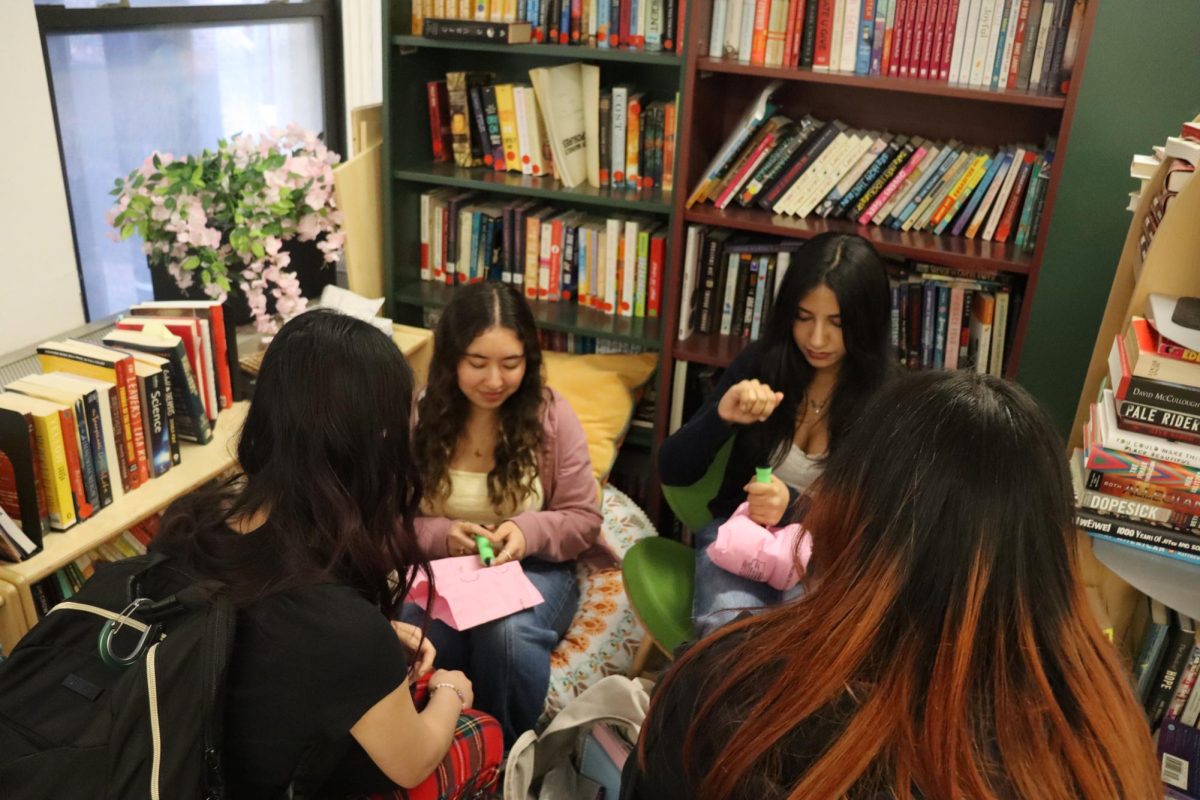
However, the sense of community goes beyond home and travels to school. Students who are fasting find comfort in knowing their friends are having a similar experience, and reassuring them they’re not doing this alone.
Lahfid said, “I feel like it’s just the community and my friends and my family. Especially at school, I feel like us girls or my friends that are fasting, we all go through it together and it’s just so nice to have someone experience the same things as you and know how you’re feeling. It especially brings us together and I love all my friends so much and I’m so grateful that they’re taking on this journey with me.”
For many students, these moments of hunger, burn-out and empathy are what makes the hardships of Ramadan more bearing.
For fasting students, Ramdan can be physically demanding, however, it’s also filled with meaning which allows students to overlook their fatigue because of what the month represents.








Hiba Lahfid • Apr 10, 2026 at 9:53 pm
amazing journalism work i love!!