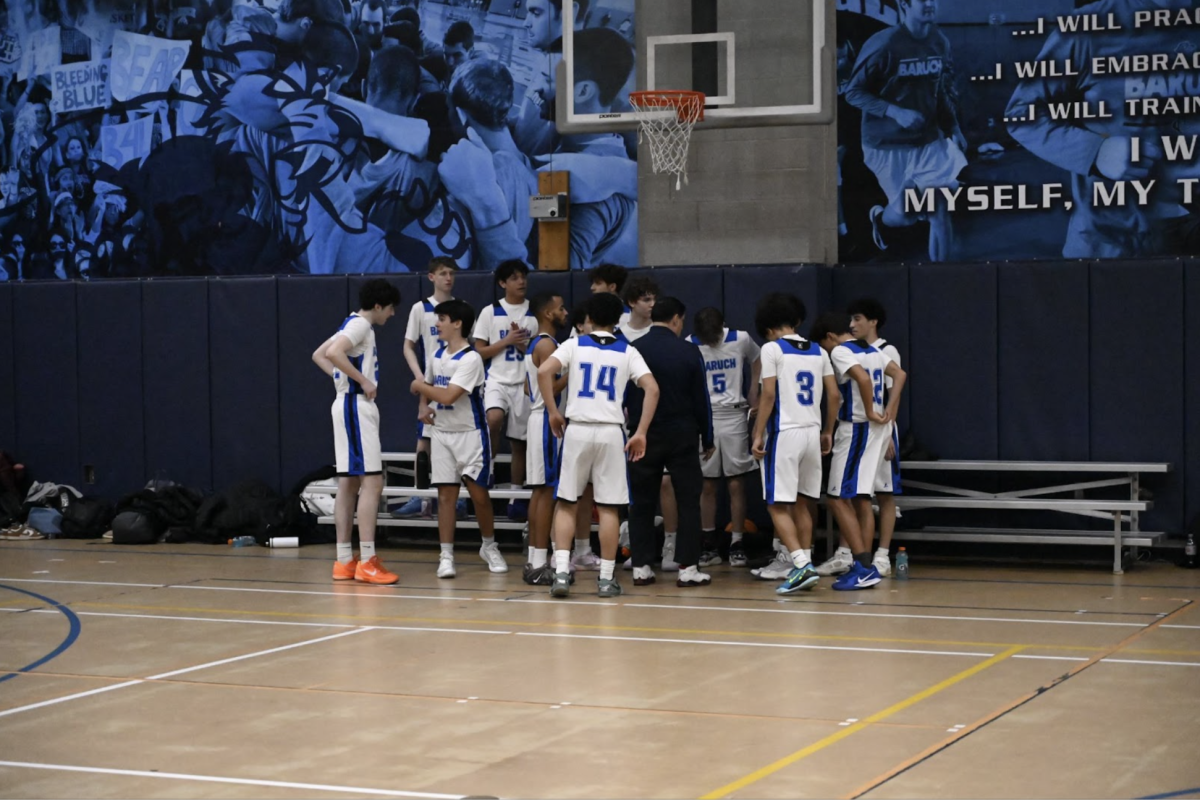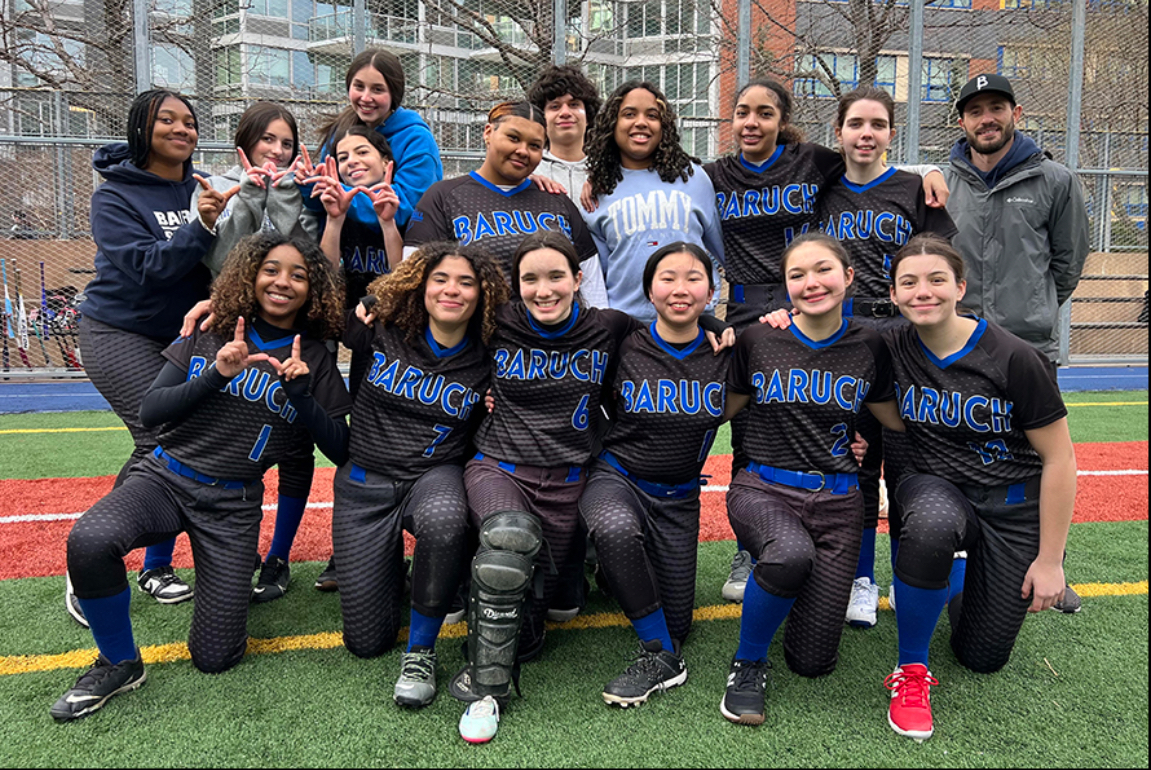
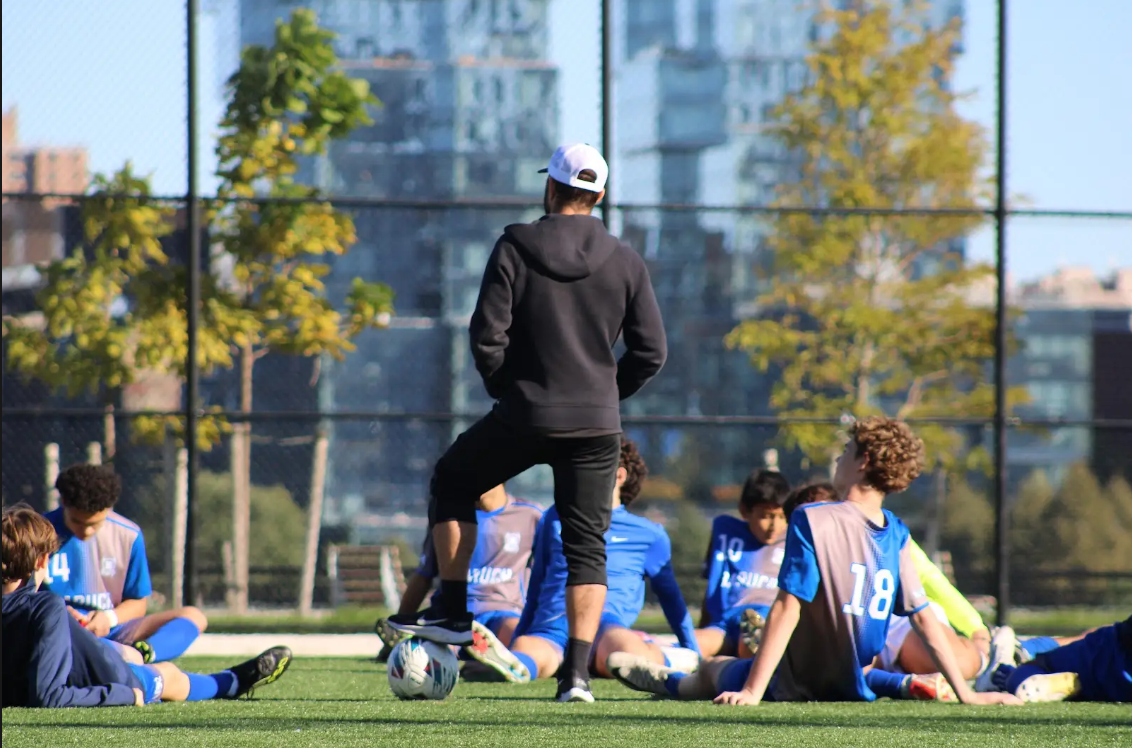
Participation trophies, the power of friendship and showing up only for the big games is the picture most people paint when they think about high school sports. A cluster of teenagers trying out new sports, making friends, and giving their best effort. Behind every easy cliché, however, is a reality filled with pressure, passion, commitment, and hard work.
In New York City, more than 400 high schools play PSAL sports, from small schools like Baruch, with 472 students, compared to huge schools like Brooklyn Tech, with 5,800 students. School sports have become a big part of the high school experience, but behind every team is a coach doing the hard work to make it all happen. Coaches organize practices, create game plans, and figure out how to get the best out of their players. They shape how students perform on the field—and sometimes, off it too.
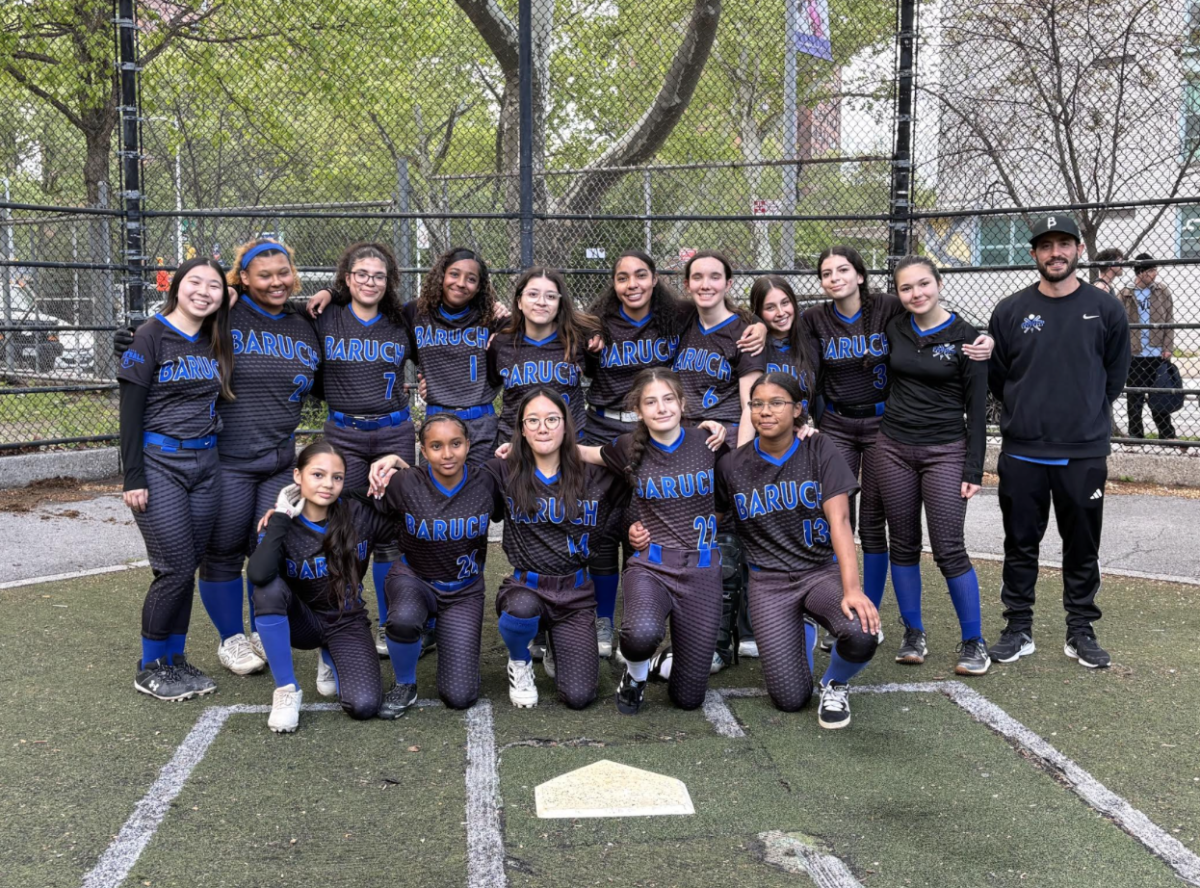
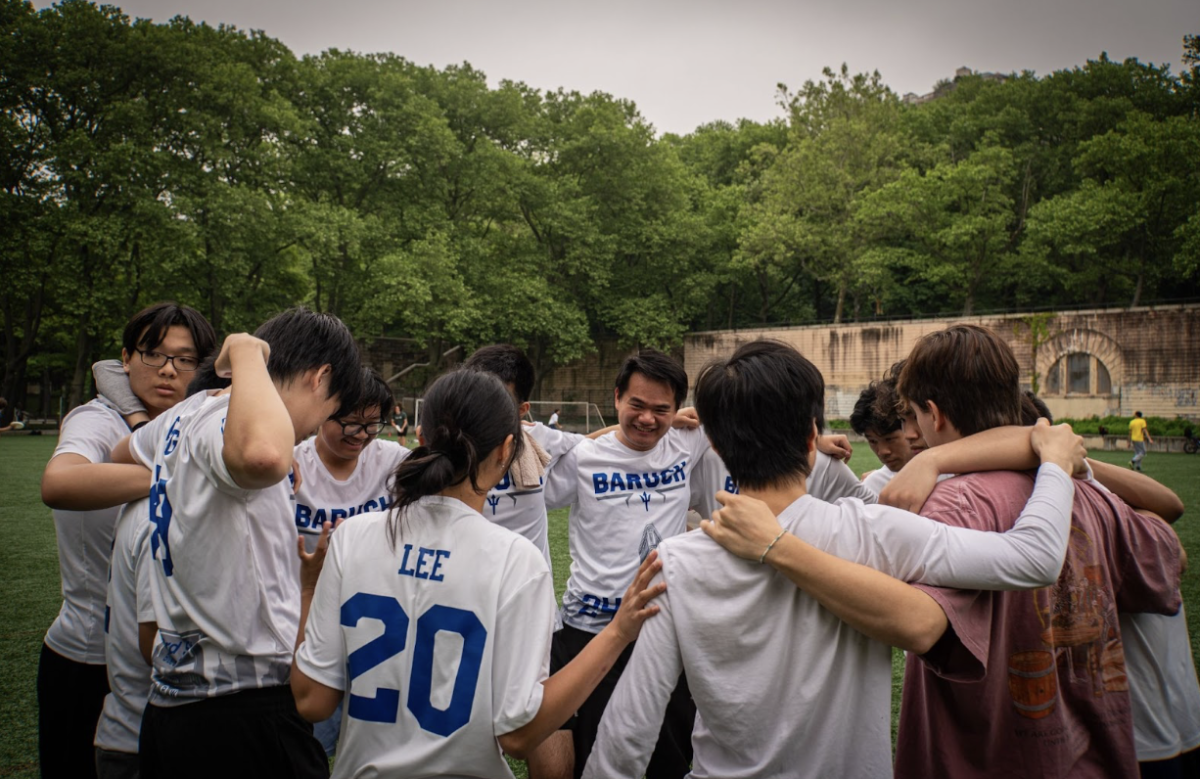
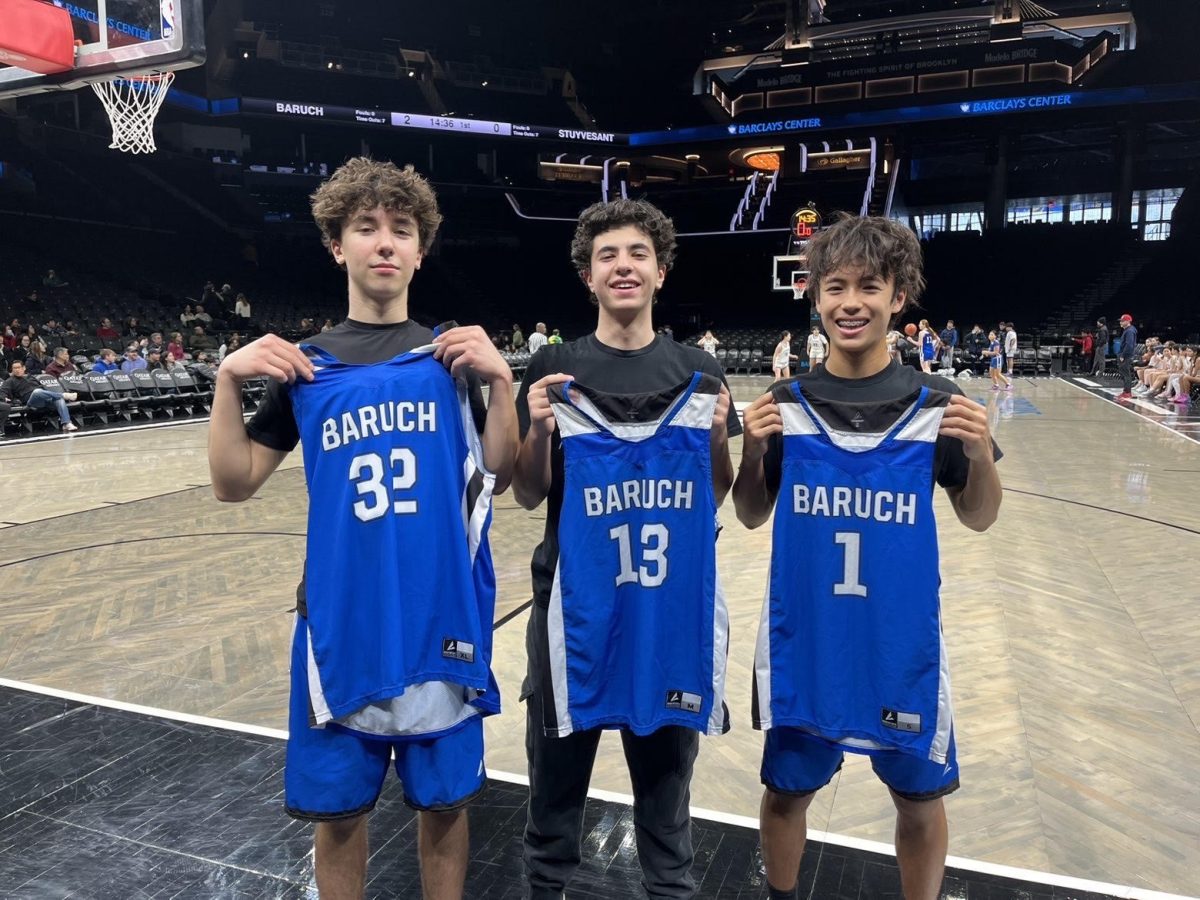
At Baruch High School, there are 10 PSAL teams, nine of them varsity. That might seem like a lot, but it’s normal for New York City schools. With so many teams and sports going on, good coaching can sometimes get overlooked. Coaches at Baruch come from all sorts of backgrounds, from gym teachers to science and math teachers, but they all share one goal: making their teams better.
That means planning practices weeks in advance, taking late train rides home after night games, and spending hours reviewing footage from the VEO camera.
Coach Michael Breman, who leads boys varsity soccer, said, “I like using the VEO because it teaches me as a coach what I’m doing wrong.” The VEO sits on a 15-foot stand and uses AI to track the ball, capture the full field, and highlight key moments for easier review.
Coach Teddi Schaffer, who runs girls varsity volleyball, uses it to plan strategy. “Just to see how we compete and then help plan a strategy when we face that team again,” she said.
All successful teams share one thing besides talent: strong practices. That’s not easy when freshmen are learning the ropes and seniors are applying to colleges.
Breman said, “Practices have to be fun or kids are not going to be interested. You have to figure out what kids are going to like.”
Schaffer has been coaching for 15 years, five of them at Baruch, and has led teams in volleyball, softball, fencing, basketball, and even middle school basketball. She says she got into coaching for the camaraderie, friendship, and competition of being part of a team.
“My favorite thing about coaching is seeing my students outside of the classroom, getting to know them on a different level, and watching them compete,” Schaffer said.
She also makes sure students have a say in practices. “We usually decide on some skill that we want to work on and then execute a drill. I always like to end with a fun competitive game.”
For Schaffer, the VEO is a must-have tool. Her most stressful moments come from varsity competition, and her favorite part of the season is the start, when everyone is full of energy and excitement.
Breman has 13 years of coaching experience and has led five sports at Baruch, including boys soccer, wrestling, girls basketball, fencing, and girls soccer. He says coaching is his way of giving back what sports taught him growing up: discipline, structure, and hard work.
“I always did better at school when I had a sport to play,” Breman said. “So I wanted to give back what sports taught me.”
Breman spends hours preparing, looking at statistics, talking to other coaches, and using the VEO, especially for “spacing sports” like soccer and basketball, where positioning can make all the difference.
Breman runs practices with a mix of skill work, tactical drills, and some fun. “Practices have to be fun or kids are not going to be interested,” Breman said.
Losing games is stressful, but the end of the season is his favorite, when games get bigger and playoff wins feel like a real reward.
Together, Breman and Schaffer show that success in high school sports is more than talent. It’s about preparation, teamwork, and finding a balance between hard work and fun. Beyond the scores, Baruch coaches help students grow, teaching discipline, perseverance, and how to work together.
Whether it’s a pregame strategy session, a fun end-of-practice game, or reviewing VEO footage, coaches make high school sports more than a game—they make it a place to learn, grow and be part of a community.