
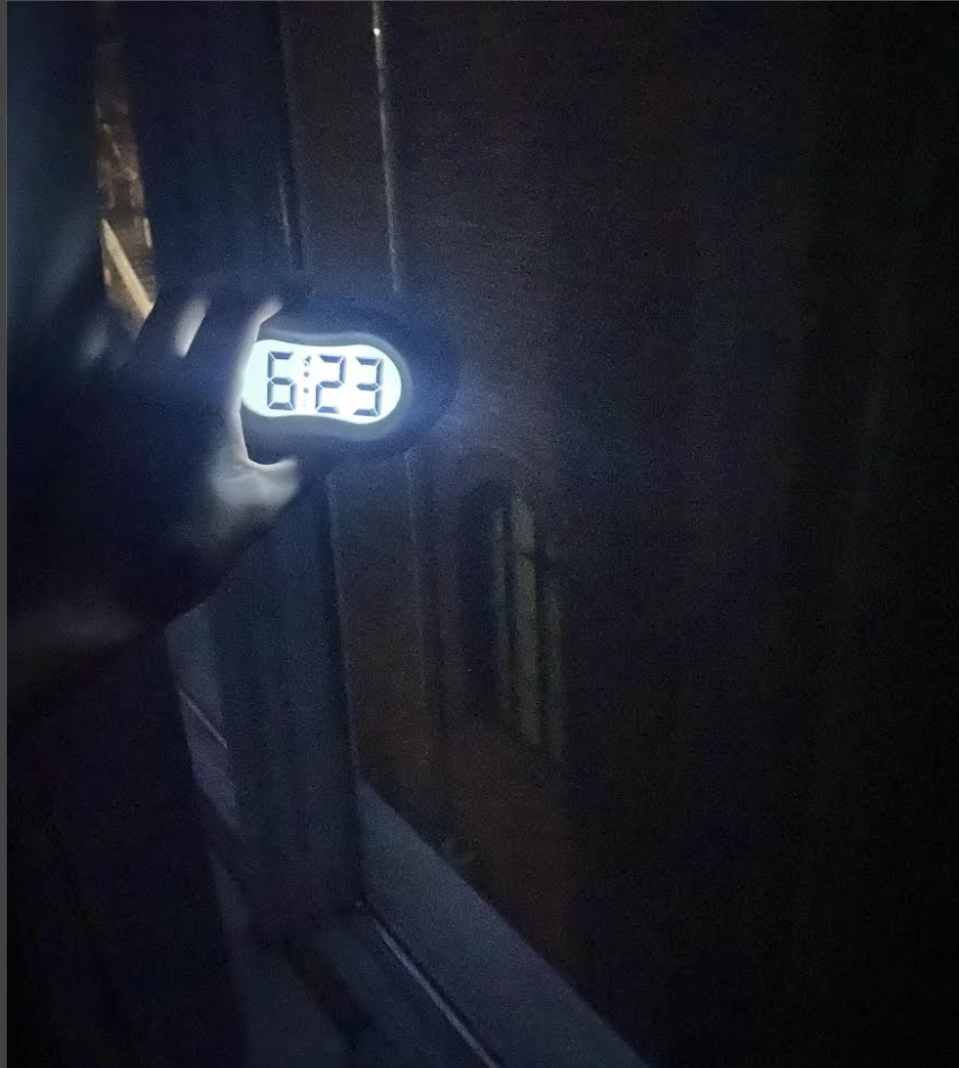
Each year, people across the United States lose or gain an hour of sleep because of daylight saving time. The practice was originally meant to save energy and make better use of daylight. However, today it seems to cause more problems than it solves. Daylight saving time disrupts people’s lives in ways many do not even realize.
The Problem with Changing the Clock
Daylight saving time does not actually create “more” sunlight. It simply changes what time we experience it. While there may be more light in the evening, mornings become darker. This makes it harder for people to wake up and start their day.
Even though the change is only one hour, it can still affect the body’s internal clock. When this natural rhythm is disrupted, people feel tired and unfocused.
Some people understand why daylight saving time exists, but still question it. For example, sophomore Adrick Das explained that it helps to, “Keep everything in check and make sure people aren’t going home at four p.m. when it’s already dark outside.” While this shows a possible benefit, it does not fix the issue of disrupted sleep.
Health and Safety Concerns
One of the biggest problems with daylight saving time is how it affects health. Losing even one hour of sleep can make people feel tired, irritated, and unable to focus. This can make school, work and daily tasks harder.
The effects can also be more serious. Studies have shown that the time change is linked to increases in car accidents and workplace injuries. When people are sleep-deprived, their reaction time slows down, which can lead to dangerous situations.
Students also notice these effects in their own lives. Junior Krystian Socha said daylight saving time, “Affects people by making them tired.” This simple statement reflects how common this experience is.
Why Morning Light Matters
Morning sunlight is important for helping the body wake up. It helps stop the production of melatonin, the hormone that makes people feel sleepy. Without enough morning light, people may stay tired longer and struggle to feel awake.
Daylight saving time shifts sunlight later into the day, which means many people wake up in the dark. This can make mornings feel slower and more difficult. Over time, this can also make it harder to fall asleep at night.
Outdated Benefits
Daylight saving time was first created to save energy by reducing the need for artificial light. While this made sense in the past, it is no longer very effective. Today, people use electronics and other forms of energy no matter how much daylight there is.
Because of this, the energy savings from daylight saving time are now very small. The original purpose no longer applies–yet the practice continues.
Different Opinions on Daylight Saving Time
People have different opinions about daylight saving time. Some think it is helpful, while others think it is unnecessary or annoying.
For example, Das said it is “not too bad” and rated it a four out of 10. This proves that not everyone is very interested in it.
However, others have more negative opinions. For example, Socha gave it a seven out of 10 rating and referred to it as “pretty annoying.” Another student, senior Sundus Kasim, went as far as questioning the whole system, referring to it as, “Kind of pointless and it confuses people.”
All of this proves that even though some people are comfortable with the concept of daylight saving time, some people consider it pointless.
A Disruptive Routine
Another problem is the act of changing the clocks. This confuses people and makes it difficult for them to concentrate. It takes a few days for people’s bodies to adjust, and during this time, they do not feel their best.
Even people who are somewhat okay with it admit it can take time to adjust. Das said that “At first it will affect you negatively because your sleep schedule is going to be a little delayed.” even though he believes people eventually get used to it.
A consistent routine is important for both mental and physical health, as constantly changing the time makes life more difficult than it needs to be.
The Bigger Picture
Daylight saving time may seem like a small change, but it affects millions of people, as it impacts sleep, health, safety and daily routines. While it once had a useful purpose for saving energy and getting more sunlight, it is no longer necessary today.
As more people question its value, the debate on whether daylight savings should exist continues. For now, one thing is clear: changing the clock does more than just change the time–it disrupts lives.