How To: Start Building Your Credit Score as a Teen
Money can disappear faster than you expect—but your financial reputation moves much more quietly, shaping your future in the background.
That reputation is called your credit score. Credit is basically your reputation with banks.
Credit may determine whether you can rent an apartment or qualify for a loan. A strong credit score can save you thousands of dollars in interest over time, while a weaker score can make everything more expensive.
So yes, it matters, even as teens.
What Is a Credit Score?
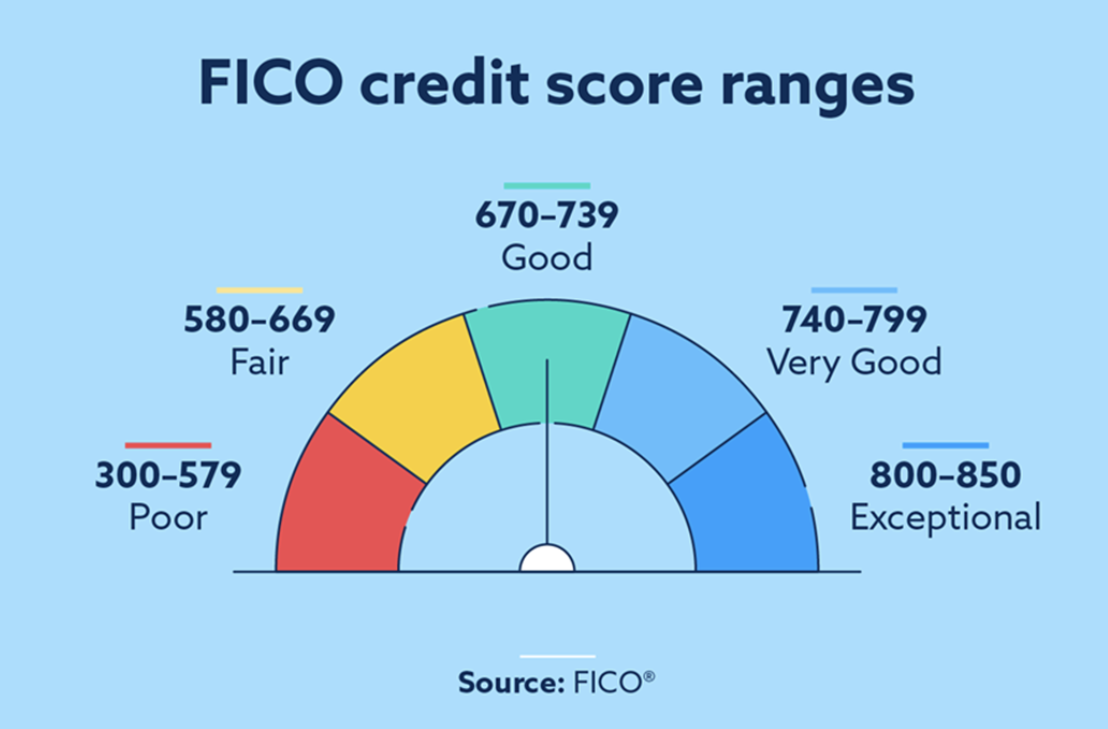
A credit score is a number that shows how responsible you are with borrowed money. It usually ranges from 300 to 850, and the higher the number, the more trustworthy you look to lenders.
They look at things like:
- Do you pay on time?
- How much of your available credit are you using?
- How long have your accounts been open?
So How Do You Start?
You probably do not have a score yet, which means you are starting with a blank page and that is actually a good thing.
Since most of us are under 18, you usually cannot get a credit card alone. However, you can ask a parent or guardian to add you as a user on their card. If they have a good payment history, that can help you start building yours.
Once you turn 18, you can look into your own credit card. You will have a credit limit, you spend a little, charge it to your card, pay it off, and prove you are responsible. That is how you show the bank you can handle it.
Know Your Credit Limit and Stay Under It
When you open a credit card, you will be given a credit limit, which is the maximum amount you can borrow at one time. But just because you have a 1,000 dollar limit does not mean you should spend 1,000 dollars.
Using too much of your limit can actually hurt your score. The key word here is little. You do not need to spend a lot to build credit. In fact, it is better if you do not.
Building credit is about discipline. If you carry debt just to keep up appearances, your score will reflect it. If you stay responsible, that shows too.
Building Credit Score the Smart Way
- Use the card for one or two small purchases a month.
- Keep your balance low.
- Pay it off in full.
- Pay on time. Every time.
It is advised to set up automatic payments since life gets busy, and missing one payment can stay on your record for years. This protects you later, even if you forget about it now.
Here are some credit mistakes to avoid:
- Opening a credit card just because it looks cool.
- Spending money you do not actually have.
- Missing even one payment.
- Maxing out your limit.
- Closing your first card too quickly.
Building credit is not dramatic. It is quiet and consistent. A credit score will not make any city cheaper, but it will improve your future options. And that feels a lot like college and independence.