What is Matcha?
Many people drink matcha without fully understanding what it is or how to prepare it.
According to Love and Lemons, Matcha is a green tea powder that comes from finely powdered dried tea leaves. The powder has a slightly bitter and vegetal taste that is very distinct. Although matcha originated in China, it was later developed and refined in Japan, where it became an essential part of traditional tea ceremonies.
Matcha has many benefits if used moderately and correctly. It is more beneficial than tea because for tea, you would discard the tea leaves but for matcha, you actually drink the tea leaves straight up since it’s a powder.
Matcha can lower blood pressure, reduce the risk of heart disease, and boost your metabolism. Of course, drinking it everyday can obviously not be good, as drinking too much of something healthy can eventually have some side effects. For those sensitive to caffeine, matcha can be a good alternative to coffee because it typically contains less caffeine.
The Best Matcha Powders
Not all matcha tastes the same. Flavor profiles can range from umami to sweet, earthy, creamy or bitter. Umami is the most dominant flavor in most powders. Umami is a Japanese word that means “savory.”Salty may sound weird for matcha but it’s not quite like that.
Matcha powders come from different regions of Japan, so the “umaminess” will vary. In higher quality matcha, the “umaminess” will be very intense, while lower qualities consist of grassy notes.
So if you say matcha tastes like grass—you may have not tried true matcha.
In the U.S., labels such as “Ceremonial” or “Premium” are just marketing terms. In Japan, the tea quality and age of harvest is all they judge. With these marketing terms, matcha powders can get pretty expensive. But no worries, help is here!
Affordable, beginner-friendly options include:
- Kiyo Hatsumukashi Classic Grade (my go to because it’s very worth it and it’s great for beginners)
- Flavor profile: slightly umami, sweet nuttyness, low bitterness
- Kiyo Matcha Classic Grade Hatsumukashi (40g/1.41oz)
- FKRO matcha powder
- Flavor profile: nutty, earthy, creamy
- Amazon.com: FKRO Organic Ceremonial Grade Matcha (30g/1.06oz)
- Nami Matcha First Harvest (on the pricey side)
- Subtle sweetness, nutty, umami
- Nami Matcha | Okumidori First Harvest – 30g
Honorable Mention: Marukyu Koyamaen Aoarashi (has to be my second favorite)
- Flavor profile: strong umami with a slight sweetness to it
- Amazon.com: Marukyu Koyamaen Premium Ceremonial Grade Matcha (Aorashi, 40g)
Tools and Ingredients You Need
When it comes to making matcha, there’s quite an amount of tools needed. This is because Japanese tea ceremonies use specific traditional tools and focus on mindful preparation.
As stated by Ella Henry, here are the essential tools:
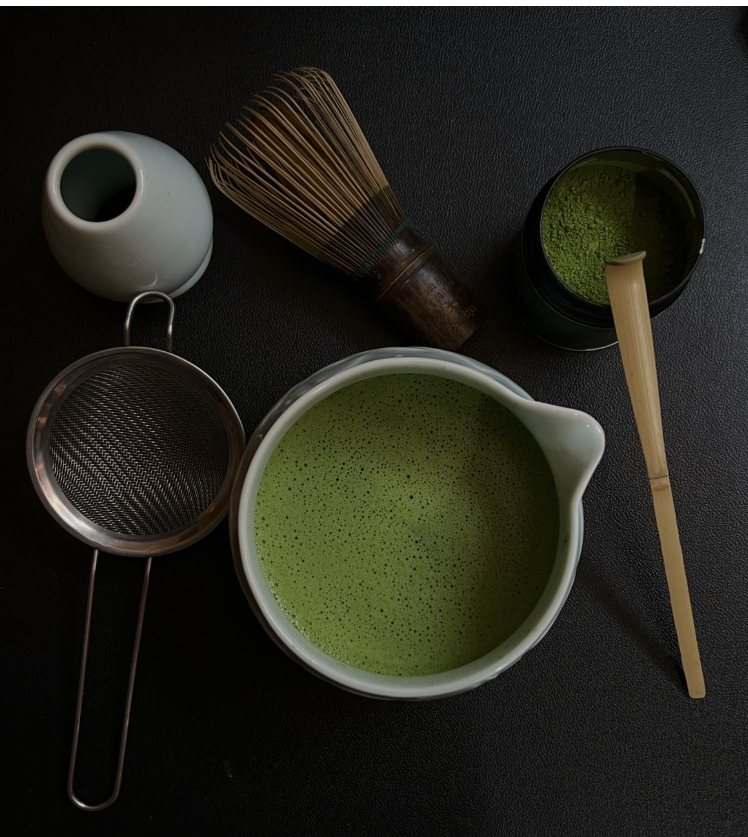
- Chasen (bamboo whisk): This helps break up any clumps, as matcha tends to clump easily, and it creates a smooth texture for a great drinking experience.
- Kusenaoshi (the whisk holder): This helps keep the chasen in shape, and it allows it to dry properly, making it last longer.
TIP: Replace your chaser if it has broken prongs, doesn’t produce foam, or shows signs of mold. You should replace it every one to two months or up to six months.
- Chawan (tea bowl): Its design consists of a wide base that provides room for whisking. There are many styles, but most of the time it is ceramic.
- Chashaku (bamboo scoop): A traditional scoop to transfer the powder from the tin/pouch to the chawan. Its curved shape helps you lift the powder without compressing it.
TIP: Don’t rinse or wash with water after handling powder with it. Instead, wipe it down with a paper towel and place it in a place where the sunlight doesn’t reach it.
- Mesh Sieve: A mini sifter that helps sift the clumpy powder before adding water.
- A good quality matcha: great quality can create a better experience when drinking it.
TIP: If buying loose powder–powder that doesn’t come in its own tin or pouch, place the powder into a sealed and opaque container. NEVER put it in a clear container, as that can degrade the quality. If buying large quantities of powder, you can place them in the fridge to make them last longer.
As you can see, when it comes to matcha, it’s all about preserving your tools and powder.
Of course, these tools can be a little excessive but it doesn’t hurt to honor the traditions of other cultures.
Below are some alternatives if you don’t have access to the traditional tools.
- Mason jar (or any jar with a lid): This is a great and popular alternative to the chawan and chasen. With a jar, you can pop your powder and water in and shake until there’s no more clumps or powder.
- Small spoon: No need to spend money on a chashaku because you can always use a spoon or a measuring spoon.
But there are also always matcha kits you can get with all the supplies you need:
The Best and Most Fun Part: Making the Matcha
Now that you know what tools you need, here comes the fun part: using them to make the matcha!
- Bloom your chasen: Blooming helps soften the prongs and makes your chasen last longer. If the prongs are stiff and dry, they can easily break.
- Soak your chasen in hot water (about 175 degrees F) for three minutes.
TIP: With brand new chasens, soak for 10 minutes.
- Sift powder into the chawan
- Scoop the ideal amount of powder (two scoops is good) into a mesh sieve and use the chashaku to sift.
- Make Koicha(“thick tea”): This paste breaks apart clumps for a smoother, creamier matcha and better microform.
- Pour just about 2 tablespoons of the hot water and mix it with the chasen to create a paste.
- Whisk:
- Gradually whisk in a loose “W” or zig-zag motion using your wrist. More wrist power = more foam.
TIP: I do a 30-20-10 whisk method. Whisk at the bottom for 30 seconds, move up to the middle and whisk for 20 seconds, then whisk the top slowly for 10 seconds. Lift straight up from matcha to keep that micro foam.
- Customize!
- You can serve over milk, water, or whatever you desire. Have fun with it!
Tips For Customizing
With sweetener, I advise you to not whisk it with the matcha using the chosen as that can break the chosen over time. Instead you can drizzle your sweetener at the bottom of the cup. For sweeteners, you can always use honey, sugar, stevia, or whatever floats your boat! I love using agave syrup because it’s very neutral so it won’t overpower the matcha flavor.
You can always make your own syrup at home as well: DIY Flavored Simple Syrups Recipe
There are also many milks you can use for your lattes. There’s almond milk, soymilk, oatmilk, whole milk, and cashew milk. For my matchas, I love using flavored milk such as banana or taro—it’s the best. At first, you taste the flavored milk, but then you get this rich matcha aftertaste.
Usucha is a very popular way to drink matcha in tea ceremonies. Usucha translates to “thin tea”. Basically, it’s a matcha americano.
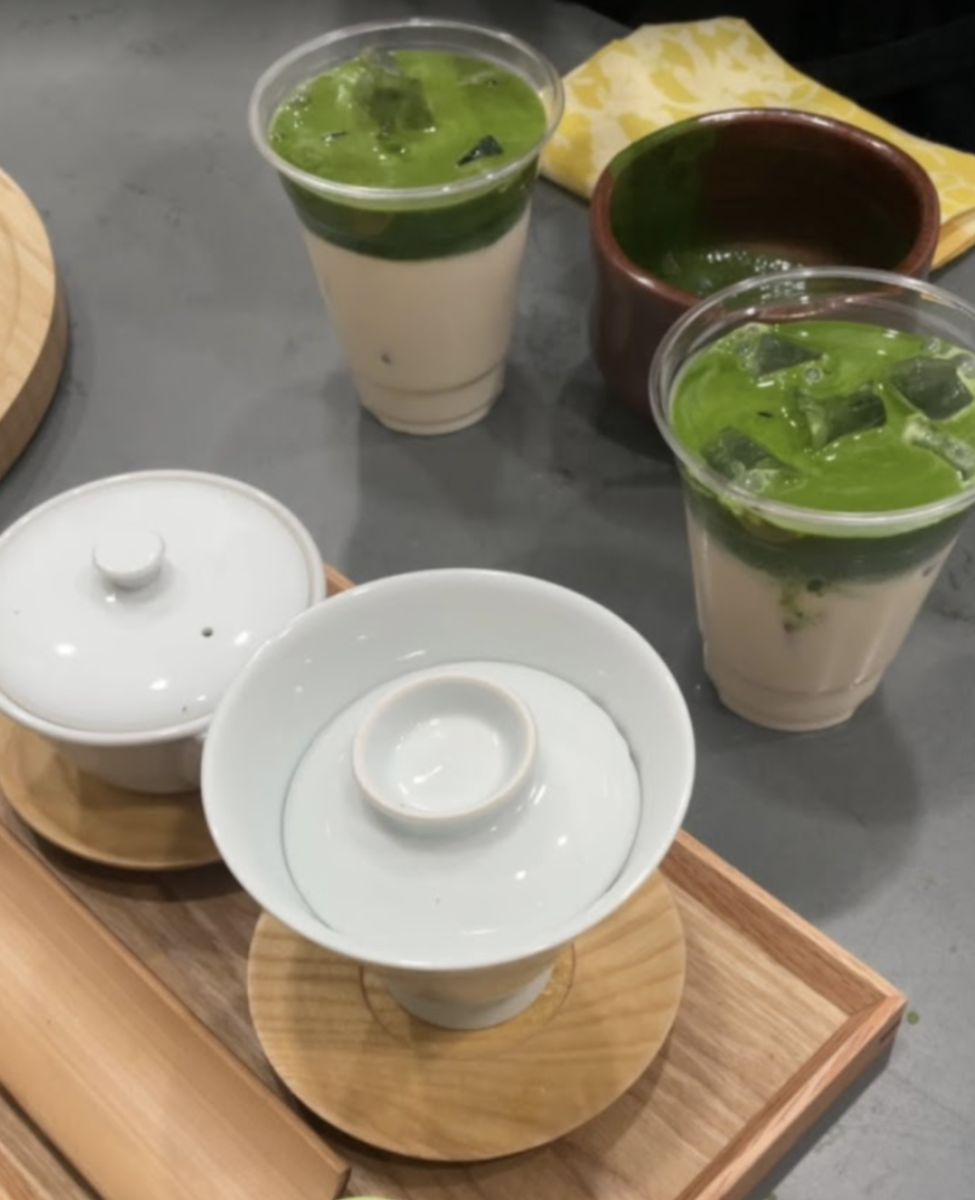
I also enjoy having an iced matcha with coconut water. It’s such a refreshing drink with a nice coconut taste that contrasts with the matcha, which makes it so good. The thing about matcha is that it can be served iced or hot, meaning it can be drunk in every season.
Aside from matcha, there’s also hojicha. Hojicha is also a Japanese green tea in the form of powder, and it is prepared exactly like matcha. Hojicha consists of a nutty flavor, almost like chocolate, so if you love chocolate, give it a try!
Here is more detail: What is Hojicha? A Guide to the Roasted Green Tea
Now you’re ready to make your own. Thanks so matcha for tuning in! 87