

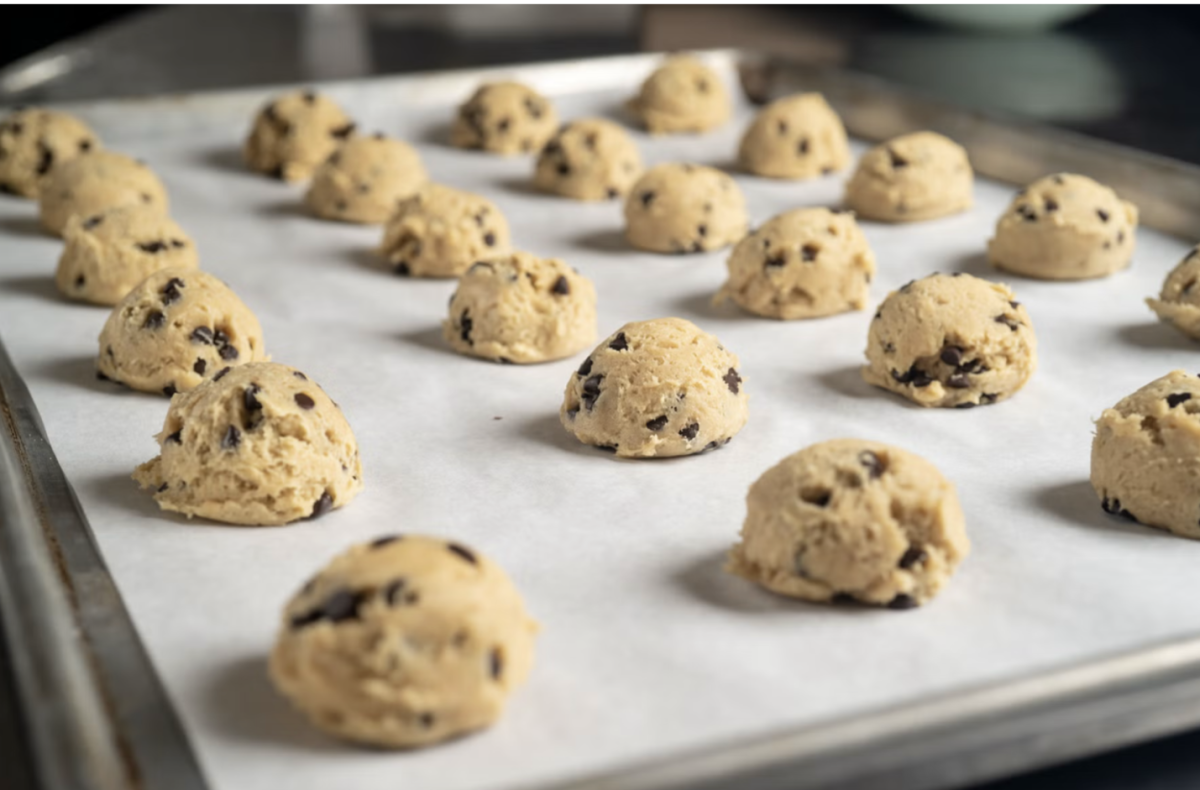
Now that Christmas cookie season is finally here, people are pulling out their mixing bowls—and often discovering that creating the ideal cookie, which can be found in people’s favorite bakeries, is harder than it seems. Little mistakes like over-mixing or using the incorrect temperature can ruin a batch meant for the holiday tables.
Below is a guide to help ensure your cookies come out bakery-perfect for this time of year.
Correctly Prepare the Ingredients
When baking, temperature is key. Experts notice that temperature is an overlooked factor in cookie baking. According to Sally McKenny, a professional baker, “Temperature is imperative. There’s legitimate science involved!” said McKenny
Never use solid sticks of butter. This can lead to uneven mixing and chunky pieces of butter throughout the cookie dough. Instead, you want to use room temperature butter or melted butter. Room temperature butter leads to this nice smooth mixing and melted butter creates a chewier texture that everyone loves. Additionally, to ensure even incorporation, eggs should also be brought out for room temperature.
Carefully Mix
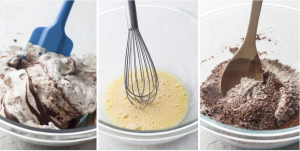
Something you will never see in a baker’s kitchen is mixing wet and dry ingredients in one bowl. That is a big no-no in the baking community. Always ensure to have two separate mixing bowls, one for the wet ingredients and the other for dry. As stated by Lena Abraham, a contributor to Delish, “The cookies were inconsistent in flavor. On the other hand, our over-creamed batch resulted in overly tough, puck-like cookies.”
Folding in your dry ingredients always guarantees a nice cookie dough that is flavorful throughout. Over-mixed dough can lead to uneven flavor and a hard cookie after it bakes. To prevent over-mixing, use a spatula—specifically a silicone spatula—and fold in the dry ingredients into the wet ingredients. To fold, use the spatula to ‘cut’ into the bottom of the bowl and do a backwards ‘C’ motion to dump that on top. Continue this motion while turning the bowl bit- by- bit until the flour is incorporated and the dough is created.
Big No-Nos—What Not to Do
Never, I repeat, never use baking powder. Baking powder does nothing to your cookies except make them taste like chemicals and creates a play doh like texture. When McKenny said there’s ‘science in baking’, she did not mean literally. Avoid adding too much flour as that can dry out your cookies and no one wants a cookie drier than the Sahara Desert. When adding flour, always spoon and level to ensure the perfect amount of flour. The only exception is when your dough feels a little sticky or wet. To fix that, add one or two tablespoons of flour at a time until you reach the desired consistency.
BONUS: Suggestions
Adding an extra yolk can create this soft cookie that feels like clouds when you bite into it. The extra yolk also makes the cookie much richer, moist and chewy. When making cookies that include chocolate, you can always add instant coffee powder to bring out the chocolate flavor and make your chocolate cookies rich and intense. When making big batches at a time, you can always freeze the cookie doughs to make the flavors ‘marinate’ and it saves you a lot of time. Without fail, brown butter is the way to go. Browning your butter can lead to a delicious, toasty cookie with more complex notes than your ordinary cookie. Check this out for the best browned butter: How to Brown Butter (with VIDEO) by a Food Scientist – Scientifically Sweet
Cookie Recipes to Try Next:
The Best Chocolate Chip Cookie Recipe Ever – JoyFoodSunshine
Red Velvet Peppermint Bark Cookie Recipe









Vicky • Jan 16, 2026 at 12:11 pm
Nice, interesting! I will use this recipe in the future! and I like how detailed the instructions are.